
How to sound design a commercial like a professional editor
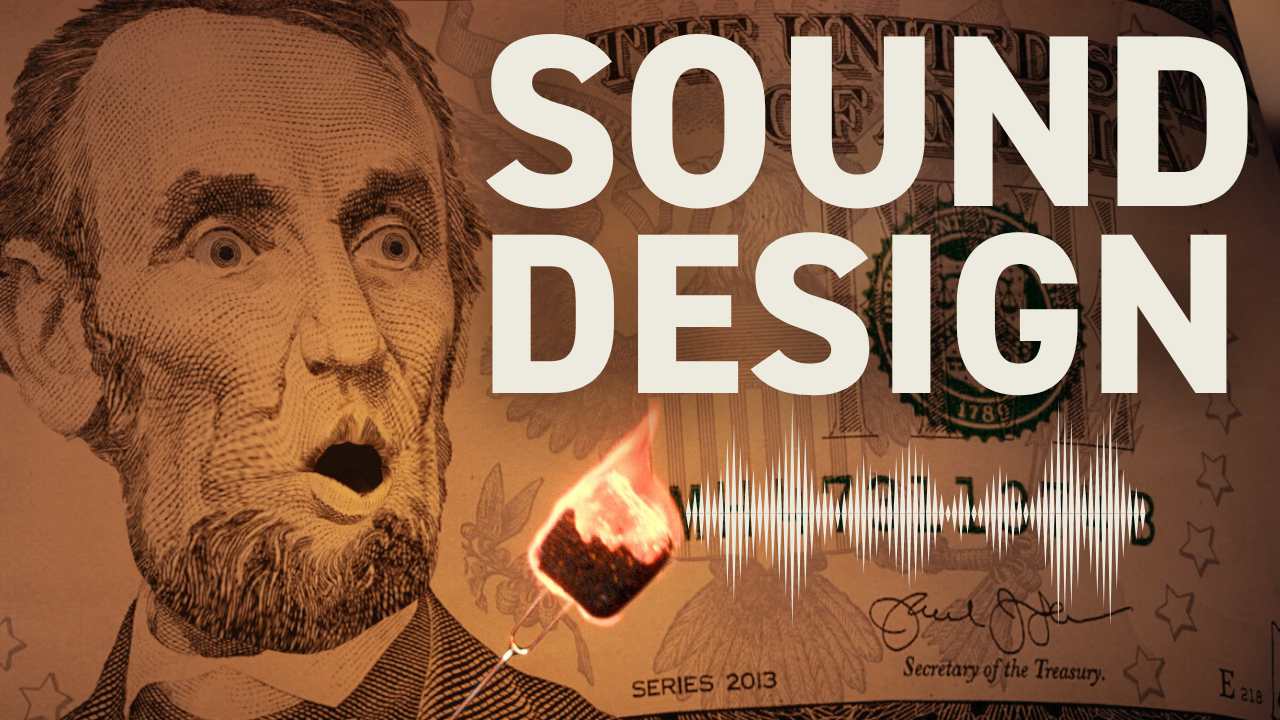
How do professional video editors approach commercial sound design?
Professional commercial sound design starts with background ambiances as the foundation, then builds dialogue, specific sound effects, and music in layers. The key is creating multiple audio beds that work together to bring the story to life, not relying on single tracks.
The process follows a systematic workflow: ambiances first to create the world, dialogue next to establish character voices, then specific sound effects to enhance action, and finally music to support the emotional tone.
Start with background ambiances to build your world
When I'm working on the sound for a commercial, I like to start with background ambiances. That way my dialogue has a nice bed to sit in.
For this desert camping commercial, I used four distinct ambient layers. The first was a binaural desert at dawn recording — this gives the scene its geographic foundation. Next came a crackling fire sound that runs through the entire spot, creating warmth and activity. Then I added cicadas and crickets, which are always great for a night scene, especially an outdoor camping scene. Finally, I included a wolf howling to set the stage for this desert setting.
For some projects you might find one bed of ambiance that works great for the whole spot and you only need one audio file, but in general I find it best to layer multiple ambiances to give a more realistic feel.
Layer dialogue from multiple sources strategically
What seems like a pretty simple broadcast commercial actually has five different voices going on that each require specific attention.
This commercial featured four characters: the human camper, his five-dollar bill companion, the guy driving the ATV, and the ten-dollar bill. Obviously the bills are 3D animated, so we had a couple different options for bringing them to life.
For the main bill, the five-dollar bill, we used a voice actor recorded in a studio. But for the vocalizations of the ten-dollar bill, we actually used sound effects from a sound effect library. The two human characters were recorded on set. There's also voiceover for the end art card, recorded separately in a studio.
Discover the 5 Criteria Top Editors Use To Craft Emotionally-Impactful Edits in our free guide that shows you exactly how broadcast professionals approach every creative decision.
Build specific sound effects in focused groups
After establishing ambiances and dialogue, specific sound effects bring individual moments to life. I organize these by grouping related sounds together.
For this commercial, I had three main effect categories. First were the subtle character moments — marshmallow catching fire, being blown out, and a book closing. The book close gives a nice punctuation to the end of the spot. Two came from sound effects libraries, but the book closing was actually recorded on set and turned out really nice.
The ATV sequences required the most detailed work. I wanted it to sound like the ATV was speeding up to the campers, slowing down as they said hello, and then speeding off. This took some detailed editing because I layered multiple engine sounds, wheels on gravel, cartoony whooshes for the jump, landing impacts, and even metal bars rattling.
Throughout this campaign where we were dealing with 3D animated dollar bills, I wanted to bring those bills to life with paper sounds. This last track is all about paper. It's subtle, but it's those little details that really bring spots to life.
Understand the difference between sound design and mixing
My role as sound designer on a project is to find all the right sounds to bring a story to life. I'm always collaborating with a sound mixer on broadcast commercials, so I transfer all the sounds in the form of an AAF file and a QuickTime reference movie to the sound mixer.
The sound mixer brings it into Pro Tools and performs the final mix. That includes fine-tuning all of the audio levels, effects like equalization and compression especially on dialogue, special effects like echoes and reverbs, panning which involves moving sounds in the stereo field left or right, and then final broadcast leveling so that spots pass quality control before they air on television.
There is definitely some overlap. As a sound designer, I'm obviously doing some pre-mixing, especially when it comes to leveling, because I don't want anything to be so out of whack that it's distracting. The sound mixer might replace some of my sounds — say they have better paper sounds than the ones I found or a more compelling ATV sound.
When you understand how professional video editors approach sound in every shot, you realize that great commercial sound design is about building layers that support the story, not just filling silence.
Layer your sounds systematically for professional results
The final commercial demonstrates how systematic layering creates professional sound design. Every element serves the story — from the foundational desert ambiance to the detailed ATV sequences to the subtle paper sounds that bring animated characters to life.
Master this systematic approach and you'll create commercial sound design that elevates every project. Professional sound design isn't about using expensive tools — it's about understanding how to layer sounds that work together to support the story you're telling.
If you want to learn how to approach high-end commercial work with this level of professional detail, check out Edit Like A Broadcast Pro where you'll discover how to create emotionally-impactful edits that win serious clients with real budgets.
