
How to edit videos for emotion using 6 professional techniques
How to edit videos for emotion using 6 professional techniques?
Professional editors build emotion cut by cut using specific techniques that transform flat footage into scenes that genuinely move audiences. These six methods focus on story structure, rhythm, reaction shots, and strategic use of sound to create emotional connection.
The biggest mistake that kills emotional impact
After 20 years of cutting broadcast TV commercials, I know that getting emotion to land doesn't just happen by using the right shots. It's built cut by cut.
Most editors jump into the timeline without deciding what they want the audience to feel. That mistake will always come back to bite you.
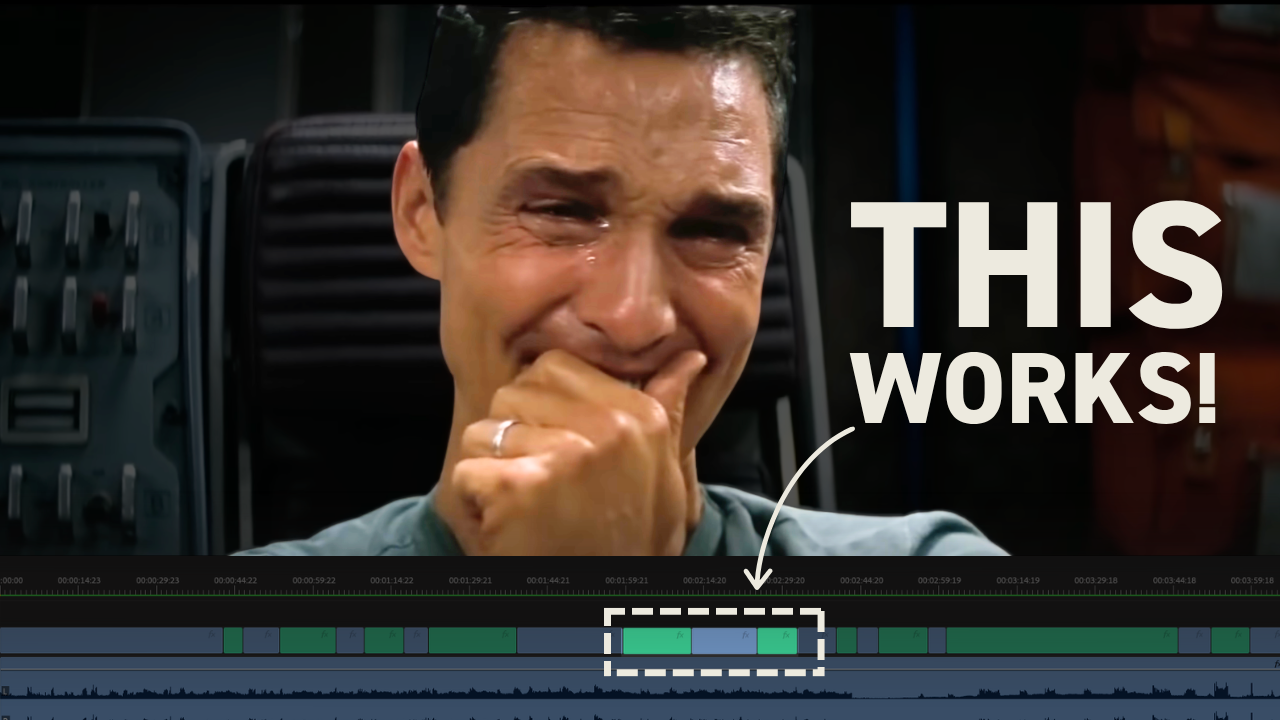
When I watch the scene from Interstellar where Cooper watches decades of messages from his kids, I feel loss, heartbreak, the pain of regret, and even the love of a father for his kids. That's not by accident. Editor Lee Smith and Christopher Nolan knew exactly what they wanted me and you to feel before they ever started cutting.
Before you build your next scene, take five minutes to pick an emotional target first. Then everything else—the shot selection, the rhythm, the sound—should flow from that decision.
Use story structure to align with emotional arc
This moment when Cooper watches decades of messages from his kids sits right at the midpoint of act two in classic three-act story structure. In act one, we meet Cooper and learn his goal: leave Earth, find a new home for humanity, and return to his family.
In act two, challenges pile up and he faces tougher decisions as the stakes rise. This scene comes right after the trip to Miller's planet where 23 years pass on Earth while only a few hours pass for them. Watching the messages is the emotional consequence of Cooper's choice to leave.
Before this scene, the tension is largely external with survival, logistics, and the mission. After it, the tension becomes internal: guilt, regret, and isolation.
Keep the entire story structure in mind when you sit down to edit so you can align your choices with the story's overall emotional arc. Professional video editors use this same approach when crafting commercial narratives that need to hit specific emotional beats within tight time constraints.
Shape each scene like its own story
The arc within the scene itself follows a clear pattern. First, there's a setup: Cooper sits down to watch the messages with hope and curiosity. Then there's an inciting incident as his son Tom appears.
As more messages come in and time jumps forward, the emotion builds. The midpoint of this scene is a real emotional gut punch when Tom shares that Cooper's father has died. Then Tom says he'll stop sending messages.
Finally, the climax of the scene is Murf's message full of anger and heartbreak. In just a few minutes, we move from curiosity to devastation.
Look for that arc—setup, rising tension, and climax—and shape each scene like it's its own little story.
Let reaction shots carry the emotion
The character becomes our stand-in. Editor Lee Smith knows this, which is why he holds on long shots of Matthew McConaughey and lets us sit with those emotions.
There are several moments where we hear the message on the soundtrack, but we're watching Cooper's face. The emotion doesn't come from the words or audio per se; it comes from the reaction.
If you're looking to master this technique systematically, discover the 5 criteria top editors use to craft emotionally-impactful edits that connect with audiences on a deeper level.
Carefully look at all of the reaction shots you have access to. If you find one that really says something, try holding on it and letting the audience feel with the character.
Use rhythm and contrast for maximum impact
The cutting pattern starts slow as we listen to what's happening offscreen. As the messages pile up, the edit picks up speed. Then, right at the emotional high point, the rhythm drops back to stillness with one long shot of his daughter speaking.
That contrast between speed and stillness helps make the ending powerful.
Experiment with rhythm. Hold on moments that need space, speed up when tension builds, and use contrast for maximum emotional impact.
Stop the music to reset emotional focus
Hans Zimmer's score starts as a soft, steady pulse, carrying emotion without overpowering the moment. But the best part is actually when the music stops.
Zimmer and Lee Smith use silence as a transition. When you cut the music at just the right moment, you reset the audience's focus and give them space to process before the next emotional hit.
Here, when the score drops out, we're left in silence with Cooper. This also makes space for a new music cue to fade in that matches the final moments.
Think about stopping the music to make room for an emotional moment.
Get closer as emotion builds
Notice how the scene starts wide on Cooper, and as the emotion builds, we move closer and closer to him until we're in a full closeup at the climax. Even the shots of the kids follow this same pattern.
You might not even notice this consciously, but you definitely feel it. This gradual move toward intimacy mirrors the rising emotion of the scene.
As the emotion ramps up, think about getting closer to the characters to help the audience connect more deeply.
These six techniques will help you build emotion into your edits, but they simply won't work if the music isn't aligned with your target emotion. Master these fundamentals and you'll start creating the kind of emotional connection that separates professional work from amateur attempts.
Ready to take your editing skills to the next level? Edit Like A Broadcast Pro teaches you to create emotionally-impactful edits that win serious clients with real budgets.
