
Rough Cuts Suck: Mastering the First Draft in Video Editing
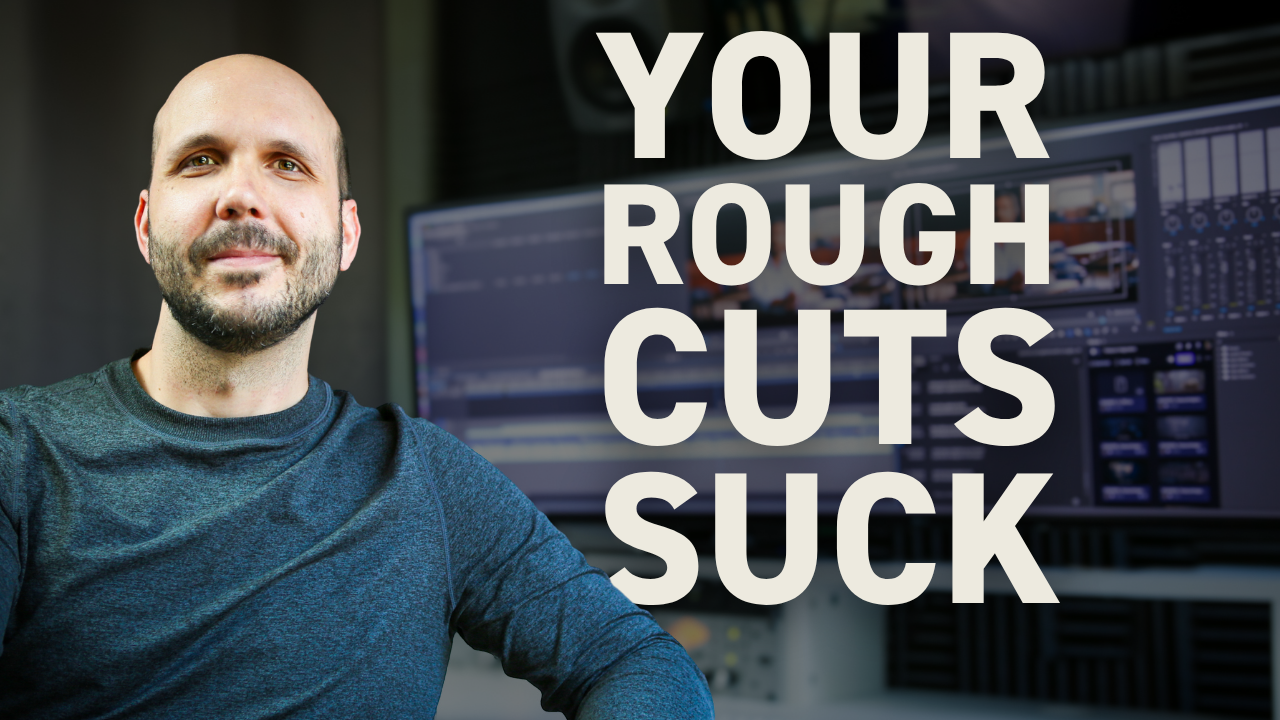
Why Your Video Editing Rough Cuts Suck (And How to Fix Them)
Professional video editors often dread the rough cut, viewing it as a blank page rather than an opportunity. The truth is, all initial edits, or "rough cuts," inherently suck – even those from seasoned pros. This isn't a sign of failure, but a fundamental part of a professional editing workflow. Embracing this reality and understanding the purpose of the rough cut can transform a frustrating process into a collaborative and efficient one, leading to far more impactful final products and happier clients.
Ready to elevate your editing game? Discover the secrets top editors use to craft emotionally impactful edits and impress clients with our free guide to mastering your editing workflow.
The Inevitable Imperfection: Why Rough Cuts Are Meant to Be Flawed
From the moment an editor starts shaping raw footage, they're stepping onto a path of subjective decision-making. No matter how skilled, no single editor can perfectly anticipate every nuance a client or audience desires in the initial iteration. A rough cut is, by definition, a first draft—a foundational assembly designed to get initial reactions and guide subsequent improvements.
The primary search intent here is informational and problem-solving: editors want to understand why their rough cuts aren't polished and how to improve their process. The main question the article answers is: "Why do video editing rough cuts often fall short, and how can editors approach them more effectively?"
Primary Keyword: video editing rough cuts
Secondary Keyword Variations:
- rough cut process
- video editing workflow
- client feedback editing
- professional editing mindset
The Peril of Perfectionism: Why Over-Polishing Hurts
Many editors, especially early in their careers, fall into the trap of trying to make the rough cut perfect. This stems from a desire to impress clients and avoid criticism. However, this perfectionist approach often backfires, creating two significant problems that hinder both the project and the editor's well-being.
Problem 1: Injecting Untimely Creative Ideas
When an editor strives for perfection in a rough cut, they often begin incorporating their own advanced creative ideas too early. This might involve cutting lines they deem ineffective, shortening scenes they feel drag, or choosing alternate angles they personally prefer. While creative input is crucial to an editor's role, the timing of its introduction is key.
The issue arises when clients receive a rough cut that deviates significantly from their initial vision or the scripted content. They might expect to see a direct assembly of the provided material and instead receive something heavily interpreted. This often leads to requests to revert changes, causing frustration for both parties and setting a negative tone for the collaboration. It interrupts the natural flow of feedback, forcing the editor to undo work rather than build upon it. The client feels unheard, and the editor feels their creative efforts are unappreciated.
Professional Solution:
- Present "as written" first: Your initial rough cut should adhere closely to the script or client's brief, acting as a clear, foundational assembly of the material.
- Document your ideas: As you work, keep a separate document or even an alternate timeline where you can save your creative suggestions.
- Introduce ideas strategically: After the initial client feedback, create alternate versions incorporating your ideas. This way, the client is involved in the creative dialogue, and your suggestions are presented as thoughtful options, not unexpected alterations to their original vision. This collaborative approach fosters trust and ensures your creative contributions are valued at the right stage of the project.
Problem 2: Emotional Attachment Hinders Feedback
The second major pitfall of over-perfecting a rough cut is the emotional attachment that inevitably develops. When an editor pours countless hours into meticulously crafting a first draft, any feedback — even constructive criticism — can feel like a personal attack. This makes the editor resistant to change, leading to difficult feedback sessions and a drawn-out revision process.
An editor who is too attached to their rough cut often makes changes grudgingly, viewing client feedback as an obstacle rather than a collaborative step towards improvement. This reluctance can manifest as defensiveness, making the client feel as though their input is unwelcome. The process becomes laborious, and the essential back-and-forth between editor and client breaks down. Instead of a dynamic partnership, it feels like a battle of wills, ultimately detrimental to the project's quality and the client relationship.
Looking to transform your editing career from frustrating to financially rewarding? Discover how I scaled my editing business to earn $1M by age 30 and unlock high-end opportunities with Editing Career Mastery.
Embracing the Feedback Loop: The Professional Editing Mindset
Professional editors understand that feedback isn't a sign of failure; it's a vital component of the creative process. When immersed in an edit for hours, an editor loses objective perspective. Fresh eyes—whether from a colleague, a focus group, or the client—can immediately identify areas for improvement that were invisible to the person deep in the work.
Expect Feedback, Welcome Iteration
The mark of a true professional isn't the ability to deliver a perfect first cut, but the capacity to transform a good rough cut into an exceptional final product through iterative feedback. This means consciously approaching the rough cut as a draft, accepting that it will be modified, and even expecting significant changes.
Key Mindset Shifts:
- First Draft Mentality: Treat your rough cut as a sketch or an outline. It's meant to convey the overall structure and narrative, not necessarily the final polish.
- Speed over Perfection: Aim to get the rough cut completed and delivered quickly. This allows the feedback process to begin sooner, giving you more time for valuable revisions.
- Focus on Improvement: Shift your goal from "making it perfect" to "making it better." The true success of an edit is measured by how much it improves from the first cut to the final delivery.
Practical Strategies for a Better Rough Cut Process
Improving your handling of the rough cut stage can revolutionize your workflow, reduce stress, and ultimately lead to more successful projects and happier clients. It's about setting clear expectations and adopting a strategic approach.
1. Presenting the Rough Cut: Set Clear Expectations
The crucial first step in a successful rough cut process is managing client expectations from the outset. Don't simply deliver a file; present it with context.
- Verbal or Written Disclaimer: When delivering the rough cut, state clearly that it is a rough cut or first assembly. Emphasize that its purpose is to establish the basic structure and narrative flow, and that feedback is not only welcome but expected and necessary. You might say something like, "This is our initial assembly, designed to get the story points in order. We're eager for your feedback to help shape it further."
- Adherence to Script: Unless explicitly agreed upon, construct the rough cut to closely follow the original script or treatment. Deviating too much at this stage can create confusion and make the feedback process inefficient. If there are creative ideas you’re burning to try, develop them in an alternative timeline or document them for discussion later, rather than integrate them into the primary rough cut without prior client discussion.
- Focus on Flow, Not Finesse: Encourage clients to focus their feedback on the big picture elements: the story’s clarity, pacing, overall mood, and whether all essential content is included. Remind them that color grading, intricate sound design, and advanced effects will be refined in later stages.
2. The Power of "Rough": Don't Overwork It
The term "rough" is there for a reason. While you should always put your best foot forward in terms of organization and basic craft, recognize the point of diminishing returns for a first pass.
- Avoid Deep Dives into Polish: Don't spend hours finessing a specific transition, perfectly timing every cut, or doing detailed audio cleanup in the rough cut phase. These detailed elements are best addressed once the core structure and content are approved.
- Focus on Core Storytelling: Ensure the narrative arc is clear, the key messages are conveyed, and the essential footage is included. The goal is a coherent assembly that communicates the intended message, not a polished final product.
- Time Management: Allocate a specific, realistic timeframe for crafting the rough cut. Sticking to this prevents you from getting bogged down and over-invested emotionally. This efficiency is a hallmark of professional editing workflows.
3. Receiving Feedback: The Art of Detachment
How you receive feedback is just as important as how you deliver the rough cut. Cultivating detachment is critical for a smooth revision process.
- Listen Actively, Don't Defend: When clients provide feedback, listen intently without interrupting or immediately justifying your choices. Take detailed notes. Your primary job during this stage is to understand their perspective.
- Ask Clarifying Questions: Instead of defending, ask questions like, "Can you tell me more about why that section feels slow?" or "What emotion were you hoping to convey there that isn't coming through?" This helps you understand the root of their feedback, which is crucial for effective revisions.
- Embrace the "First Draft" Mindset: Remind yourself that this is a collaborative journey. The feedback isn't about criticizing your skill; it's about aligning the project with the client's vision. The ability to make substantial improvements between cuts is a sign of a highly skilled editor.
Elevating Your Editing: Beyond the Rough Cut
The rough cut is merely the beginning. The real artistry in professional video editing lies in the subsequent rounds of revisions, where client feedback is skillfully integrated, and the editor's creative vision truly takes shape. This iterative process, guided by clear communication and a professional mindset, is what transforms raw footage into an emotionally impactful narrative. By embracing the "roughness" of the first cut, editors free themselves to collaborate effectively, achieve better results, and ultimately, elevate their craft.
Are you ready to create emotionally impactful edits that not only win over your clients but also unlock significant career opportunities? Master a professional workflow and build a showreel that gets you noticed. Learn more about our 8-week course here.
