
How Professional Video Editors Cut Commercials in 5 Steps
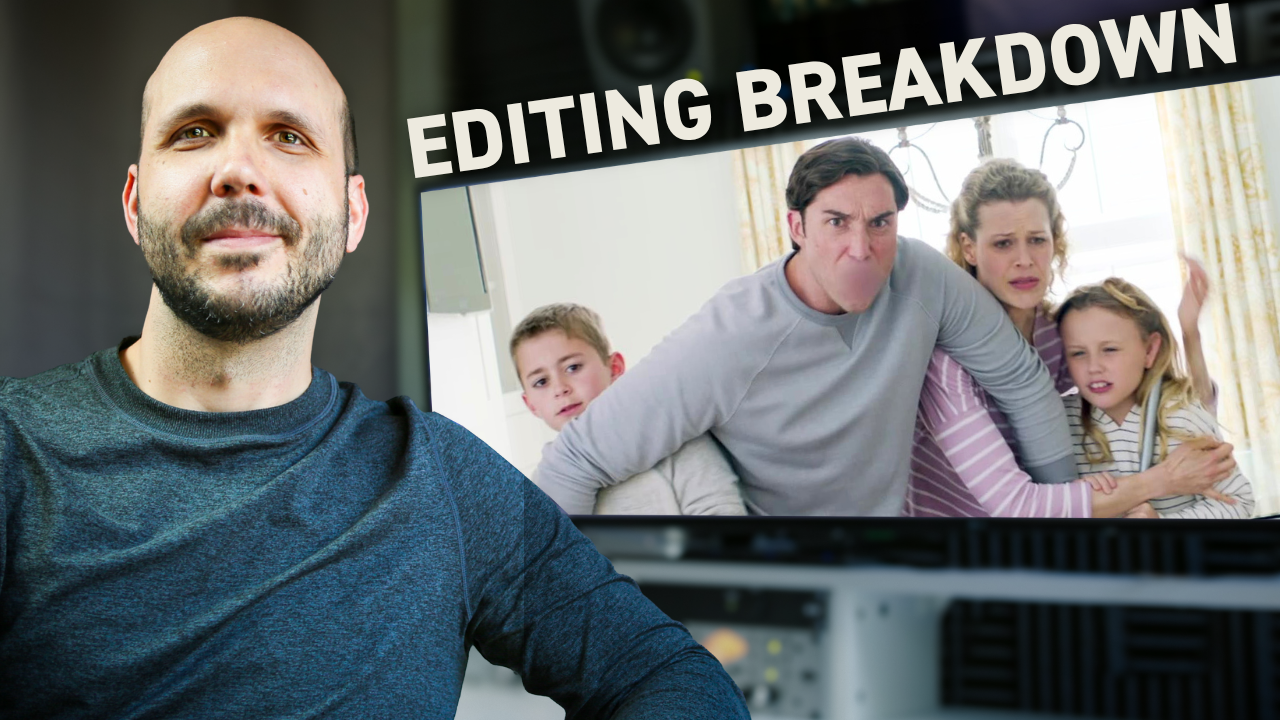
How do professional video editors cut commercials?
Professional video editors cut commercials using a structured 5-step process: emotion, story, rhythm, sound, and action — in that exact order of priority.
This framework transforms chaotic editing sessions into purposeful cuts that connect with audiences and deliver results for agencies working with budgets of $100,000 and higher.
Step 1: Define Target Emotions
Professional editors start every commercial project by identifying the specific emotions they want the audience to feel — not the characters in the spot.
When Scott Rice, veteran commercial director and co-professor with Matthew McConaughey at UT Austin, first read the script for a ToxyClean parody commercial, he felt delight. That became the target emotion: the audience should experience delight that leads to laughter.
Emotion doesn't just mean sadness or despair. In this parody spot, we wanted audiences to feel recognition ("I get it — this is mocking those sterile cleaning commercials"), then horror-comedy as the product reveals increasingly dangerous side effects.
The emotional journey moves from recognition to concern to horrified laughter in just 30 seconds. That's professional-level precision.
Before you make any cuts, write down your target emotions. If you're working with a team, get everyone aligned on these emotional goals. Every editing decision should serve these emotions.
Step 2: Build Story Structure
Even 30-second commercials need dramatic structure. Audiences are conditioned to expect three-act storytelling from watching TV shows and feature films.
Here's how the ToxyClean commercial breaks down:
Act 1 (7.5 seconds): Establish the normal world. Happy family cleaning with their product. Voice-over drops the first warning about damaging red blood cells.
Act 2a (7.5 seconds): Parents ignore the warning, but voice-over mentions killing aquatic life. They see the plate dissolved in half — physical damage in their home.
Act 2b (7.5 seconds): Kids seem unbothered. Voice-over warns about shrinking testicles. Dad throws down the sponge and drops an F-bomb.
Act 3 (7.5 seconds): ToxyClean yells at the family directly, then reveal the real product — Lemi Shine — as the safe alternative.
The story accelerates as the stakes increase. That's intentional pacing based on structure, not random editing choices.
Professional video editors approach story structure with this same methodical thinking across all formats — from 30-second spots to feature films.
Step 3: Control Rhythm and Pacing
Rhythm means the tempo of your cuts — how long each shot holds and how you transition between them.
In the ToxyClean spot, we used rhythm to support the story. The first half lulls you into a consistent, music-driven pace that feels like a normal commercial. Then when the testicles warning hits, everything speeds up.
The dad immediately reacts. Sponge dissolves. Quick smash cut to the family screaming. Fast zoom into the ToxyClean product shot.
The rhythm mirrors the characters' panic. When they're calm, the cuts are calm. When they panic, the editing panics with them.
In Act 3, we shift to a single motion graphics shot with no cutting. The rhythm relaxes to signal that the chaos is over and we're introducing the real, safe product.
This rhythm change wasn't accidental — it was planned to support the emotional journey we mapped out in step one.
Here's the important part: grab this Think Like A Broadcast Editor guide to learn the 5 criteria top editors use to craft emotionally-impactful edits like this one.
Step 4: Layer Sound Design
Sound design plus everything up after you've nailed emotion, story, and rhythm.
The ToxyClean commercial is music-driven, so establishing the rhythm required creating a temp track first. I actually sang a silly parody jingle to myself and recorded it on guitar to inspire the rhythm of my edits.
But the sound design goes deeper than just music:
- Happy sparkle sounds when the "cleaning sparkles" appear (contrasting ironically with the voice-over's warnings)
- Splash sound when the plate dissolves
- Drip sound when the mom lifts up the damaged plate
- Professional voice-over casting and direction
Each sound supports the emotional journey. The happy sparkle sounds become funny because they contradict the voice-over's scary warnings about what those sparkles actually do.
If your project is music-driven, you need temp music while you cut. You can't know if your rhythm is working without it.
Step 5: Perfect the Action
Action is about what you show within each shot and where you cut in and out. This is my last step because it's the least important.
If you've targeted the right emotions, built solid story structure, and used rhythm effectively, the audience is already with you. Finding perfect cut points is just icing on the cake.
Here's my approach: instead of "matching on action" between two shots, include the entire action within one shot. This gives you full control over timing.
Take the mom pulling out the dissolved plate. I cut in right when she starts lifting it, let her complete the action, then cut out on her glance toward her husband. That glance becomes a "glance-object" cut — she looks at him, we cut to him, and his action is looking at the product.
In comedy, a single frame matters. The out-point on the shot of the innocent little boy had to land exactly as the voice-over mentions shrinking testicles, then smash cut to the violence of the dad throwing the sponge down.
That timing precision only works because we built the foundation with emotion, story, rhythm, and sound first.
This five-step process transformed my editing throughout a 20-year career working on high-budget commercials. It wasn't always this systematic — I developed this framework over time.
Take this into your own edits. Write down your target emotions before you start cutting. Plan your story structure. Use rhythm and sound to support those foundations. Then polish with precise action cuts.
If you want to go deeper into this process, check out my Edit Like A Broadcast Pro course where I break down this framework in detail using real high-budget projects — and you'll work on actual editing exercises with real feedback.
