
How Professional Video Editors Think About Emotion First
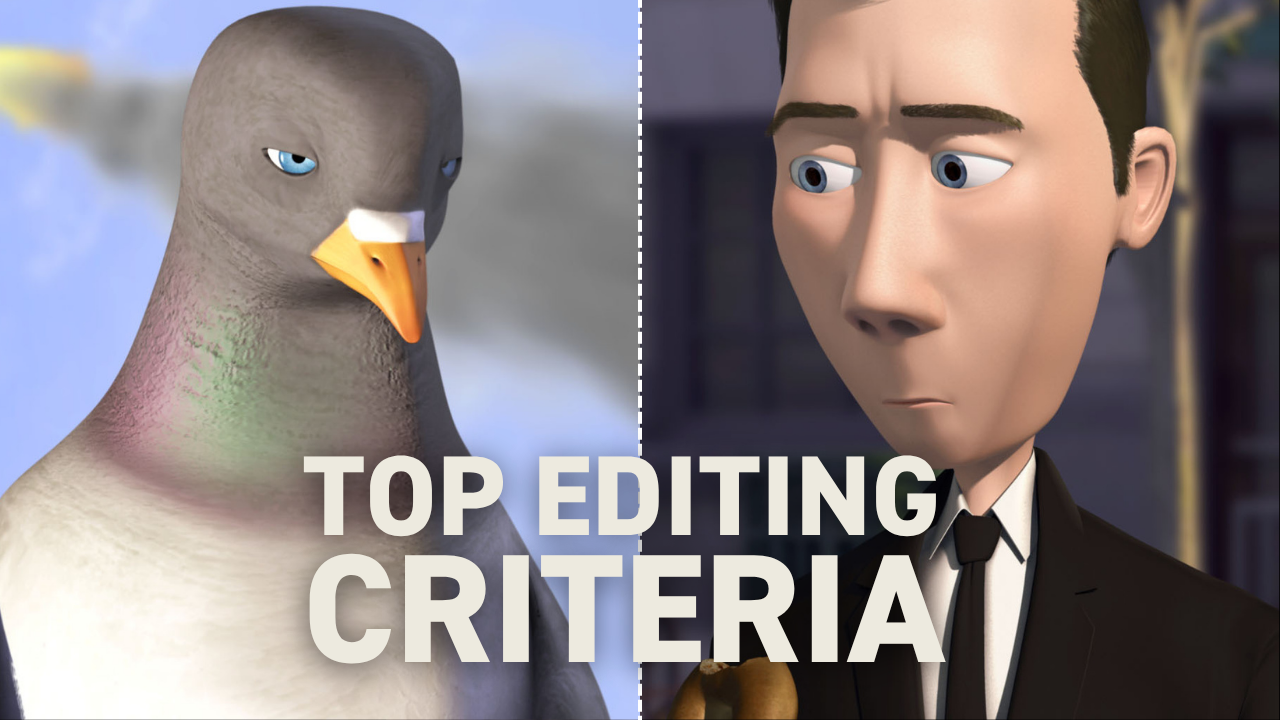
How do professional video editors prioritize their editing decisions?
Professional editors prioritize emotion above all other criteria when making cuts. This approach, developed by master film editor Walter Murch, places emotional impact at the top of six key editing considerations — above story, rhythm, and even continuity.
The most successful editing projects achieve their intended emotional response from the audience throughout the entire piece.
Why Emotion Trumps Technical Perfection
Most new editors think their primary job is preserving continuity. If an actor lifts their arm in one shot, you make sure the arm is in the same position in the next shot so you don't distract the audience with things jumping around where they're not supposed to be.
While continuity is certainly an aspect of editing, it's actually the least important consideration according to Walter Murch's hierarchy.
Murch's six criteria in order of importance are:
- Emotion
- Story
- Rhythm
- Eye trace
- Two-dimensional plane of screen
- Three-dimensional space of action (continuity)
This hierarchy applies to all types of editing projects — from corporate videos to trailers to films.
The Pigeon: Impossible Case Study
The 2009 3D animated short film Pigeon: Impossible demonstrates this emotion-first approach perfectly. The project racked up over 14 million views on YouTube and even inspired the feature film Spies in Disguise starring Will Smith and Tom Holland.
What made this editing project successful wasn't technical perfection — it was emotional precision. The audience felt curious, surprised, excited, nervous, and amused exactly when the creative team intended them to feel those emotions.
If you're working on your next project and want to discover the 5 criteria top editors use to craft emotionally-impactful edits, this proven framework will help you think like a broadcast editor.
The Two-Question Framework for Better Edits
On your next project, try asking yourself two questions while editing:
- What do I want my audience to feel here?
- Does my editing effectively contribute to that feeling?
If you ask these questions often and answer them honestly, it will really help you improve your edits.
Getting Honest Feedback on Emotional Impact
Beyond asking yourself these questions, find a few trusted friends and collaborators that you can show your edits to throughout the rough cut stage. Ask them how each scene is making them feel and see if it aligns with your intention.
If it doesn't align, adjust from there and try again. This feedback loop will be a game-changer for your edits.
Twenty years in, emotion remains the primary focus in professional editing work. It sounds like a simple concept, but it's not easy to execute consistently.
For editors ready to master this emotion-first approach professionally, Edit Like A Broadcast Pro provides the complete system for creating emotionally-impactful edits that win serious clients with real budgets.
