
Why Every Video Editor Should Go To Set for Better Projects and Growth
Why Should Video Editors Go To Set?
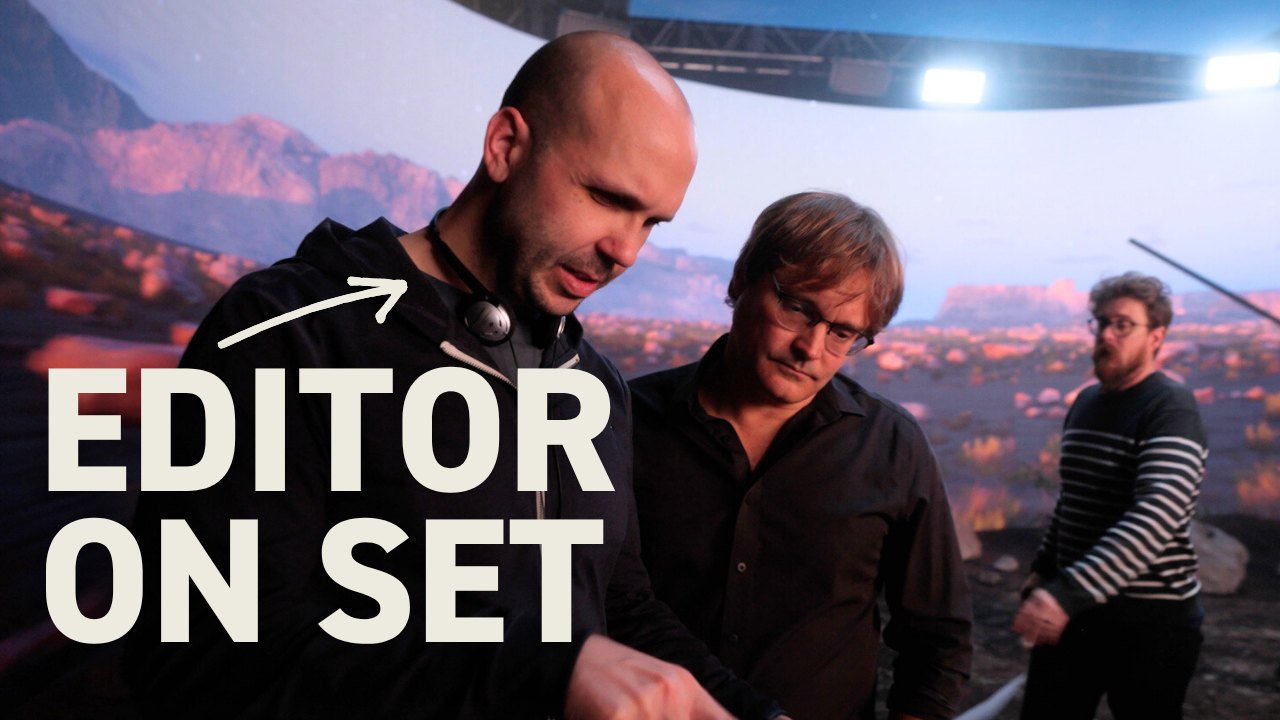
Going to set provides video editors with invaluable insights into the production process, fosters better collaboration between production and post-production teams, and ultimately leads to more effective and emotionally impactful edits. By understanding the challenges and decisions made on set, editors can preemptively address potential issues, streamline their workflow, and enhance their creative input.
- Improved collaboration between production and post-production
- Deeper understanding of the footage and director's intent
- Opportunity to offer real-time solutions and creative input
- Reduced "fix-it-in-post" mentality
Video editing can often feel like a solitary pursuit, confined to the quiet hum of your editing suite. However, true mastery—especially for those aiming for emotionally impactful and high-end projects—often lies in understanding the entire ecosystem of filmmaking. One profound way to elevate your craft and career is to step out of the edit bay and onto the set itself. This seemingly simple act can transform your perspective, improve your workflow, and bridge the notorious gap between production and post-production.
For editors looking to turn their passion into a thriving career in high-end projects, understanding the full scope of film production is crucial. Discover The 5 Criteria Top Editors Use To Craft Emotionally-Impactful Edits by downloading our free editing guide.
Bridging the Gap Between Production and Post-Production
The dynamic between production and post-production teams can often be strained, sometimes fueled by the infamous phrase, "fix it in post." This mindset can lead to frustration on both sides: production teams feeling rushed or misunderstood, and editors sifting through footage with a sense of being disrespected. However, this tension often stems from a lack of mutual understanding regarding each other's processes and challenges.
Instead of viewing it as a blame game, consider it an opportunity for growth and collaboration. Just as a "Monday morning quarterback" finds it easy to critique from the sidelines, an editor isolated from set dynamics might easily overlook the pressures and spontaneous decisions made during shooting. Being on set shifts an editor from a critic to an active participant, fostering empathy and respect for the production team's efforts. This shared experience creates a stronger, more cohesive team, replacing friction with a collaborative spirit.
The Problem with "Fix It In Post"
The phrase "fix it in post" often carries a negative connotation, implying production shortcomings. However, it's not always a sign of negligence. Sometimes, it's a strategic decision. For instance, if a crew is running out of daylight at a crucial location, they might consciously choose to handle a minor visual effect in post-production rather than incurring expensive overtime or losing the shot entirely. A good producer constantly weighs the cost of on-set delays against the cost of post-production solutions.
When an editor is present on set, they can contribute to these crucial decisions in real-time. Their expert knowledge of post-production capabilities and limitations allows them to weigh in accurately, helping the team make informed choices. This preemptive input can save both time and money, transforming "fix it in post" from a problem into a calculated, collaborative solution.
Real-Time Problem Solving and Creative Input
One of the most significant advantages of an editor being on set is their ability to provide immediate feedback and creative input. Instead of discovering an oversight weeks later in your editing suite, you can offer solutions or fresh ideas as they arise during filming. This proactive involvement is a game-changer for the entire production.
Imagine catching a continuity error, spotting a technical glitch, or suggesting an alternative shot angle that could enhance the narrative, all while the scene is actively being filmed. This kind of input can prevent costly reshoots, save hours of frustration in post-production, and ensure the footage captured aligns perfectly with the project's vision. Your presence transforms you from a reactive problem-solver to a proactive collaborator.
Becoming an Active Collaborator, Not Just a Fixer
Being on set empowers editors to transcend the role of merely assembling footage. You become an integral part of the creative process from its inception. This isn't about micro-managing or overstepping boundaries; it's about lending your unique perspective as the person who will ultimately shape the story. You understand how individual shots will connect, how pacing will affect emotion, and what coverage is truly essential.
This active collaboration extends beyond just technical fixes. You can offer creative insights into shot choices, performance nuances, or even dialogue delivery, knowing full well how these elements will translate into the final edit. This level of engagement significantly strengthens the final product and fosters a deeper appreciation for your expertise amongst the production team.
For video editors feeling stuck in a loop of underpaid and unfulfilling projects, there's a path toward becoming a highly paid, in-demand specialist. Learn more about how I went from underpaid and frustrated to earning $1M from editing by age 30 and how you can apply similar strategies to your career.
Getting a Head Start on Your Edit Workflow
Perhaps one of the most practical and immediate benefits of being on set for an editor is the significant head start it provides on the editing process. You gain an intimate understanding of the footage long before it ever reaches your hard drive. This firsthand knowledge drastically streamlines organization, assembly, and creative decision-making.
When you're present during shooting, you witness which takes the director loved, what the client or agency reacted positively to, and any specific notes about technical issues or planned fixes. This deep contextual understanding allows you to approach your edit with unparalleled efficiency and insight. Gone are the days of guessing intentions or sifting through hours of footage for a single perfect moment you weren't even sure existed. This not only saves time but also allows you to focus your energy on the more creative aspects of storytelling.
Understanding Director's Intent and Client Preferences
Interpreting a director's vision solely from dailies can sometimes be challenging. On set, however, you can observe their reactions to performances, listen to their specific instructions, and understand the subtle nuances they are trying to capture. This direct exposure provides an invaluable foundation for translating their vision into the edit. You'll know which takes truly resonate with their artistic intent.
Similarly, if agency representatives or clients are present, you'll witness their immediate feedback and preferences. This insight into their desired outcome is gold. You'll understand their priorities, specific branding requirements, or emotional targets, allowing you to tailor your edit effectively from the very beginning. This preemptive understanding reduces revision cycles and ensures greater client satisfaction.
Streamlining Organization and Media Management
Beyond creative insights, being on set drastically improves your practical workflow. You're privy to camera glitches, sound issues, or wild takes that might otherwise cause confusion during dailies review. Knowing these details ahead of time allows for proactive media management and organizational strategies. You'll know immediately which clips to flag, which audio tracks to prioritize, and what potential issues might arise.
This deep comprehension of the footage allows you to begin organizing your project before the files even land in your system. You can anticipate folder structures, naming conventions, and specific metadata needs based on your on-set observations. This not only makes the initial ingest smoother but sets the stage for a more efficient and intuitive editing process. For more tips on managing your footage efficiently, see our guide on Rough Cuts Suck: Mastering the First Draft in Video Editing.
Making It Happen: Getting On Set Without a Budget
While the benefits are clear, budget constraints might sometimes prevent editors from being formally brought on set. However, there are creative ways to overcome this hurdle and gain that invaluable on-set experience. Don't let a lack of dedicated budget stop you from pursuing this critical step in your professional development.
Consider taking on ancillary roles that naturally align with editing and place you directly in the production environment. These positions not only get you on set but also offer additional learning opportunities and broaden your understanding of the filmmaking process, making you an even more comprehensive and empathetic editor.
Exploring Script Supervisor or Media Manager Roles
One effective strategy is to offer your services as a script supervisor or media manager. These roles are critical to production and directly impact the post-production workflow, making them a natural fit for an editor. A script supervisor, for example, tracks continuity, timing, and shot details—all information that is immensely valuable to an editor. By performing this role, you'll be meticulously logging details that you would otherwise have to infer or discover during the edit.
Similarly, taking on media management ensures you have a direct hand in how footage is organized and backed up from the moment it's captured. This guarantees a clean, efficient handover to post-production and provides you with an intimate knowledge of every single file. These roles not only get your foot on set but also give you immediate, practical experience that directly enhances your editing capabilities, fostering a deeper empathy for the challenges faced by the production team. You become a better editor when you understand the entire journey of the footage you're working with.
Conclusion: Elevate Your Editing by Stepping On Set
The journey from a good video editor to a truly great one often involves stepping beyond the confines of the editing suite. By actively seeking opportunities to be present on set, you unlock a wealth of benefits: fostering stronger collaboration, enabling real-time problem-solving, gaining invaluable creative insights, and establishing a significant head start on your actual editing workflow. This experience not only makes you a more efficient and impactful editor but also cultivates a deeper understanding and empathy for the entire filmmaking process, bridging the historical gap between production and post-production. You stop being a "fixer" and start becoming a more integral, proactive storyteller.
Embrace the opportunity to see your footage come to life from its very inception. Your presence on set will transform your approach to editing, making your work more informed, more connected, and ultimately, more powerful.
Are you ready to stop being just an editor and become a true architect of compelling stories designed to win high-end clients? Create Emotionally-Impactful Edits That Win Serious Clients With Real Budgets. In just 8 weeks, master a professional workflow that brings emotional impact to your edits and craft a showreel that unlocks career-making opportunities. Learn more about our exclusive course to elevate your editing career.
