
The Most Important Criterion for Video Editing: Emotion
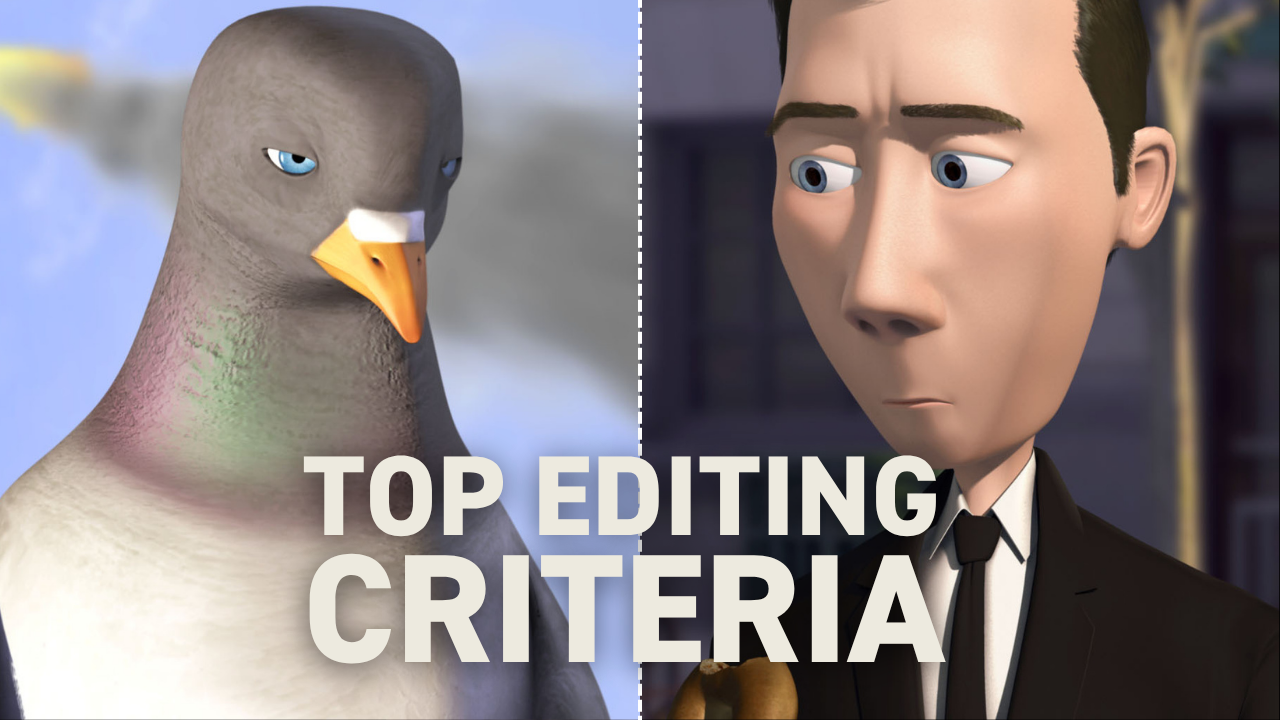
The Most Important Criteria For Video Editing
What is the most important criterion for successful video editing? The most important criterion for successful video editing is emotion. By prioritizing how the audience feels throughout a film or video, editors can create deeply impactful and memorable experiences that resonate long after viewing.
Why Emotion Dominates All Other Editing Principles
Many aspiring and even experienced video editors often focus on technical perfection and continuity, believing these are the bedrock of good editing. While important, they miss the fundamental truth that truly impactful editing relies first and foremost on eliciting specific emotions from the audience. If your viewers don't feel something – be it curiosity, excitement, nervousness, or amusement – your edit, no matter how technically flawless, will fall flat.
When an audience feels what you intend them to feel, that’s when an editing project truly succeeds. This principle applies universally, from a blockbuster film to a corporate video, ensuring your message not only gets delivered but is also felt and remembered.
🎬 Want to master the art of emotional storytelling in your edits? Discover The 5 Criteria Top Editors Use To Craft Emotionally-Impactful Edits.
The Revelation of Walter Murch's Six Criteria
This profound understanding isn't new; it's a concept championed by master film editor Walter Murch. His groundbreaking book, "In the Blink of an Eye," outlines six criteria for editing, revolutionary in their prioritization. For many editors, discovering this framework isn't just an insight – it's a career-changing revelation.
Before Murch, the prevailing thought among many editors was that their primary task was to maintain continuity. This meant ensuring that an actor's arm position, a prop's placement, or a character's gaze remained consistent between shots. The idea was to prevent jarring cuts that could pull the audience out of the story. While continuity is undeniably part of an editor's job, Murch boldly declares it the least important of his six criteria. The implications of this hierarchy shift the entire paradigm of how editors approach their craft.
Walter Murch's Hierarchy of Editing Criteria
Walter Murch’s six criteria are ranked in order of their significance to an audience's experience and the overall effectiveness of an edit. Understanding this hierarchy is crucial for any editor striving for excellence:
- Emotion: This is paramount. Does the cut elicit the desired emotional response from the audience at that specific moment? Are they feeling joy, tension, fear, or surprise when you want them to?
- Story: Does the cut advance the narrative? Is it clear what's happening and why it matters? Every edit should serve to propel the story forward and deepen the audience's understanding.
- Rhythm: Is the pace of the cutting appropriate for the scene? Does it build tension, accelerate excitement, or establish a contemplative mood? Rhythm directly influences emotional impact.
- Eye Trace: Where is the audience's eye looking on screen? Does the cut guide their gaze naturally from one point of interest to the next without requiring conscious effort?
- Two-Dimensional Plane of Screen: Is the edit mindful of the screen's flat surface? Do elements within the frame maintain a logical and aesthetically pleasing relationship across cuts?
- Three-Dimensional Space of Action (Continuity): Does the physical space and the logical progression of actions remain consistent? While important to avoid distraction, Murch posits that audiences will forgive minor continuity errors if the emotion, story, and rhythm are compelling.
This list fundamentally reorients an editor's focus. Instead of obsessing over a slight mismatch in an actor's movement, an editor guided by Murch's principles will first ask: "Is this moment making the audience feel what I want them to feel?" This perspective not only produces more effective edits but also liberates editors from the tyranny of trivial perfection. For more insights into refining your editing process, consider exploring "Rough Cuts Suck: Mastering the First Draft in Video Editing."
Practical Application: Infusing Emotion into Every Cut
Adopting an emotion-first approach isn't just about theory; it's about fundamentally changing your editing workflow. It means making deliberate choices that prioritize the audience's emotional journey. This doesn't happen by accident; it requires conscious effort and strategic questioning.
To start integrating this philosophy into your work, begin with two critical questions at every stage of your edit:
- What do I want my audience to feel here? Before you even make a cut or choose a specific take, identify the precise emotion you're trying to evoke. Is it suspense? Relief? Humor? This clarity is your guiding star.
- Does my editing effectively contribute to that feeling? Once you’ve made choices about pacing, shot selection, music, and sound design, critically evaluate if they are actually achieving the desired emotional outcome. Be honest with yourself.
Asking these questions repeatedly throughout your process will sharpen your instincts and dramatically improve the emotional resonance of your edits. It forces you to think beyond the mechanics and connect deeply with the audience experience.
For editors looking to transition from technical expertise to emotional mastery, understanding these psychological levers is key. It's about moving from simply assembling footage to thoughtfully sculpting an experience.
Leveraging Feedback: The Power of an Audience
Even with the best intentions, it's incredibly difficult to judge your own work objectively. You know the story, you know what you meant to convey, and that internal knowledge can blind you to what an actual audience experiences. This is why involving others in your editing process is not just helpful—it's essential for calibrating emotional impact.
Find your trusted circle: Identify a few friends, collaborators, or mentors whose judgment you trust. These can be people with editing experience or simply avid consumers of media. The key is their ability to give honest, constructive feedback.
Engage early and often: Don't wait until your edit is "perfect." Show your rough cuts. The earlier you get feedback, the easier it is to make significant changes without feeling like you're dismantling weeks of work.
Ask targeted questions: Instead of a generic "What do you think?", ask direct questions related to emotional impact. "How does this scene make you feel?" "At this point, are you curious/surprised/nervous?" "Does the transition here pull you out of the story?"
Listen and adjust: The feedback might reveal discrepancies between your intention and their experience. Embrace this. It's an opportunity to fine-tune your edit. If multiple people aren't feeling what you wanted them to, it’s a strong signal that an adjustment is needed. This iterative process of showing, asking, listening, and adjusting is a powerful tool for honing your emotional storytelling. Many top-tier editors also find immense value in going to set, directly observing how interactions and emotions unfold, which further informs their editing decisions.
Case Study: "Pigeon: Impossible" and Emotional Storytelling
A perfect illustration of emotion-driven editing can be seen in the 3D animated short film "Pigeon: Impossible." This project, which garnered over 14 million views and even inspired a feature film, was a success precisely because it meticulously made the audience feel a range of emotions exactly when intended. Viewers experienced curiosity, surprise, excitement, nervousness, and amusement, all orchestrated through careful editing and storytelling.
The filmmakers weren't just cutting together animated scenes; they were crafting a rollercoaster of feelings. Every pause, every quick cut, every reaction shot was chosen to build tension, deliver a punchline, or elicit empathy. This deliberate emotional mapping is what elevated the short film from a collection of impressive animations to a truly engaging and memorable experience.
🎥 Ready to transform your editing career? Discover How I Went From Underpaid And Frustrated To Earning $1M From Editing By Age 30. This system is designed to turn you into a highly paid, in-demand specialist.
Beyond Continuity: The Editor as an Emotional Architect
For two decades, the focus on channeling emotion has been the most consistent thread in my editing journey. While it sounds simple, achieving genuine emotional impact is a nuanced and complex endeavor. It requires not just technical skill but a deep understanding of human psychology, pacing, timing, and visual communication.
As editors, we have myriad levers at our disposal to pull and shape these emotions:
- Story structure: How we arrange events to build anticipation, create suspense, or deliver catharsis.
- Rhythm and pace: The speed of cuts, the length of shots, and the overall flow that dictates whether a scene feels frantic or serene.
- Sound design and music: These are powerful, often subconscious drivers of emotion, influencing mood, tension, and empathy.
- Performance and reaction: Highlighting key performances or character reactions to deepen emotional connection.
- Visual cues: The use of close-ups, wide shots, camera angles, and color grading to reinforce specific feelings.
By consciously manipulating these elements, editors transform from mere assemblers of footage into emotional architects. They don't just tell stories; they make audiences feel stories.
If you delve into Walter Murch's "In the Blink of an Eye," you'll find a wealth of knowledge that further expands on these concepts. It's a foundational text for any editor serious about mastering their craft beyond the technical.
The journey to becoming an emotionally impactful editor is continuous. It involves constant learning, self-reflection, and a willingness to prioritize the audience's heart over rigid adherence to minor technicalities. When emotion guides your editing decisions, your projects will resonate more deeply and leave a lasting impression.
Elevate Your Edits From Good to Unforgettable
Focusing on emotion is the single most important shift you can make in your video editing approach. It takes your work from merely competent to truly captivating, ensuring your audience not only watches but feels your story.
Don't let your edits just tell a story; let them evoke an experience.
Are you ready to create emotionally-impactful edits that captivate audiences and attract high-caliber clients? Learn to master a professional workflow that brings emotional impact to your edits and craft a showreel that unlocks career-making opportunities. In just eight weeks, you can Create Emotionally-Impactful Edits That Win Serious Clients With Real Budgets.
